There have always been diverging views of the Cobra, depending on which side of the Atlantic you hail from. The American view of AC Cars, Ltd. is that the company was a subcontractor to Shelby American, providing partially completed cars (chassis, suspension, brakes, body, interior, electrics and trim) built to Shelby’s specifications. The British view is at odds with this, of course. They feel that AC Cars was the Cobra’s manufacturer, supplying engineless cars to its primary customer, Shelby American—who merely installed their own engines and transmissions and sold the cars through their own dealer network in the U.S. As is usually the case, the truth can be found straddling both sides.
Once AC Cars began filling orders for Shelby American and the Cobra was thrust into the public eye, the cars quickly grew to become a brilliant light in the sports car world. As this happened, it became obvious there was also a market for these cars in Europe. Not by the hundreds, mind you, but certainly by the dozens. It did not make sense for the cars to be built in England, shipped to California to be completed, and then shipped back to a dealer in England to be sold there. AC Cars, which had manufactured and distributed their Ace and Aceca sports cars prior to the Cobra, could easily resurrect their sales and marketing department to sell Cobras to dealers and customers in the United Kingdom and Europe. And that’s exactly what they did. Shelby American drew up a contract which allowed AC Cars to build and sell a separate model Cobra for Europe.
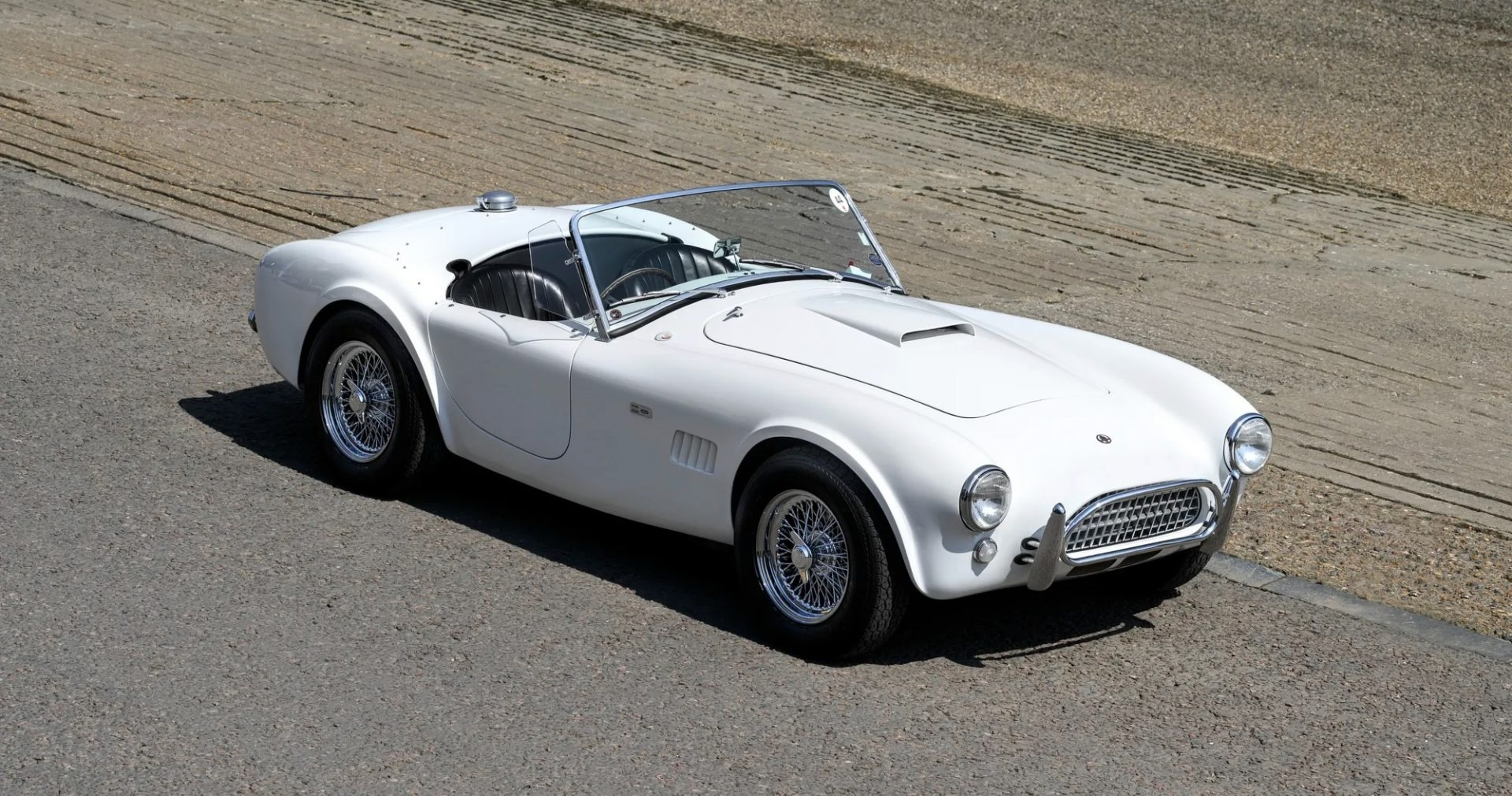
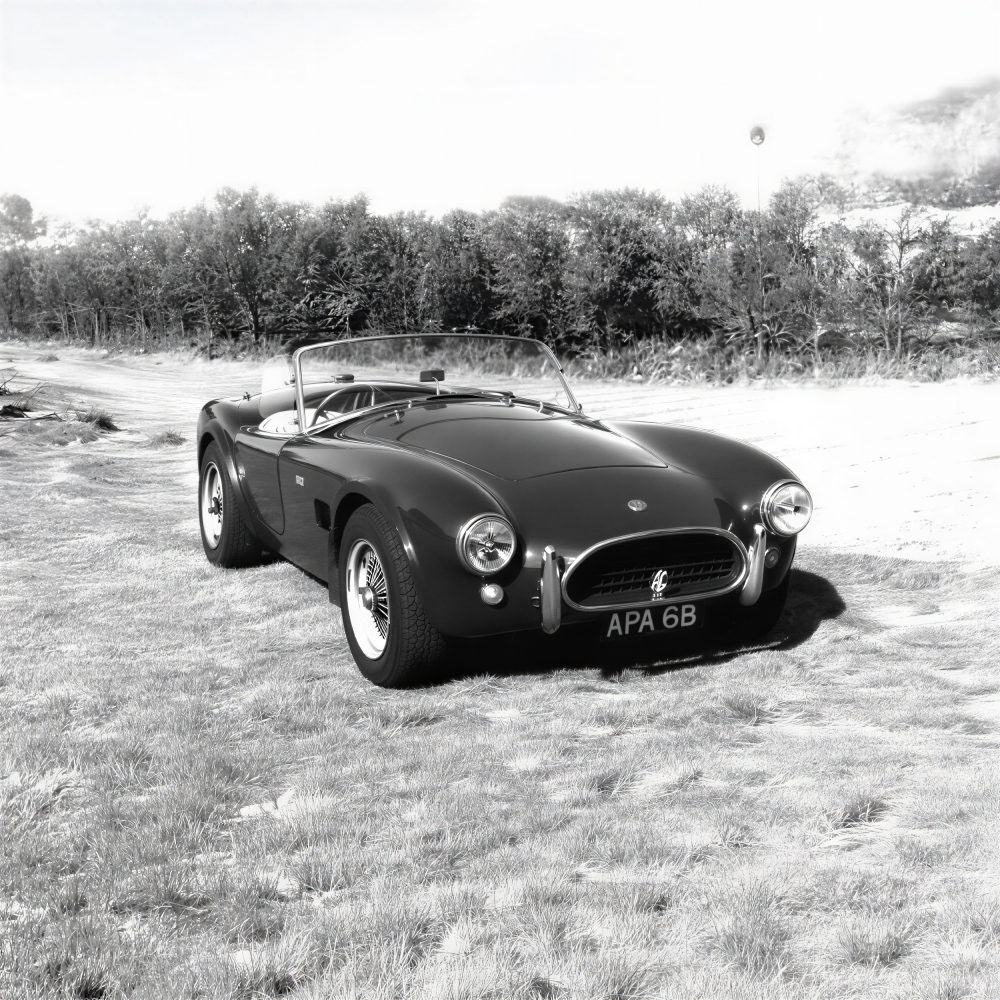
These cars were standard specification leaf spring Cobras powered by 289 engines with Borg Warner four-speed transmissions (which AC received from Shelby). They carried the familiar round Cobra snake badge on the nose but the circular “AC” badge was affixed to the trunk lid, no doubt because AC was proud of their heritage and unwilling to allow it to be totally overshadowed by Shelby American. These cars also did not receive the rectangular “Powered By FORD” fender badges.
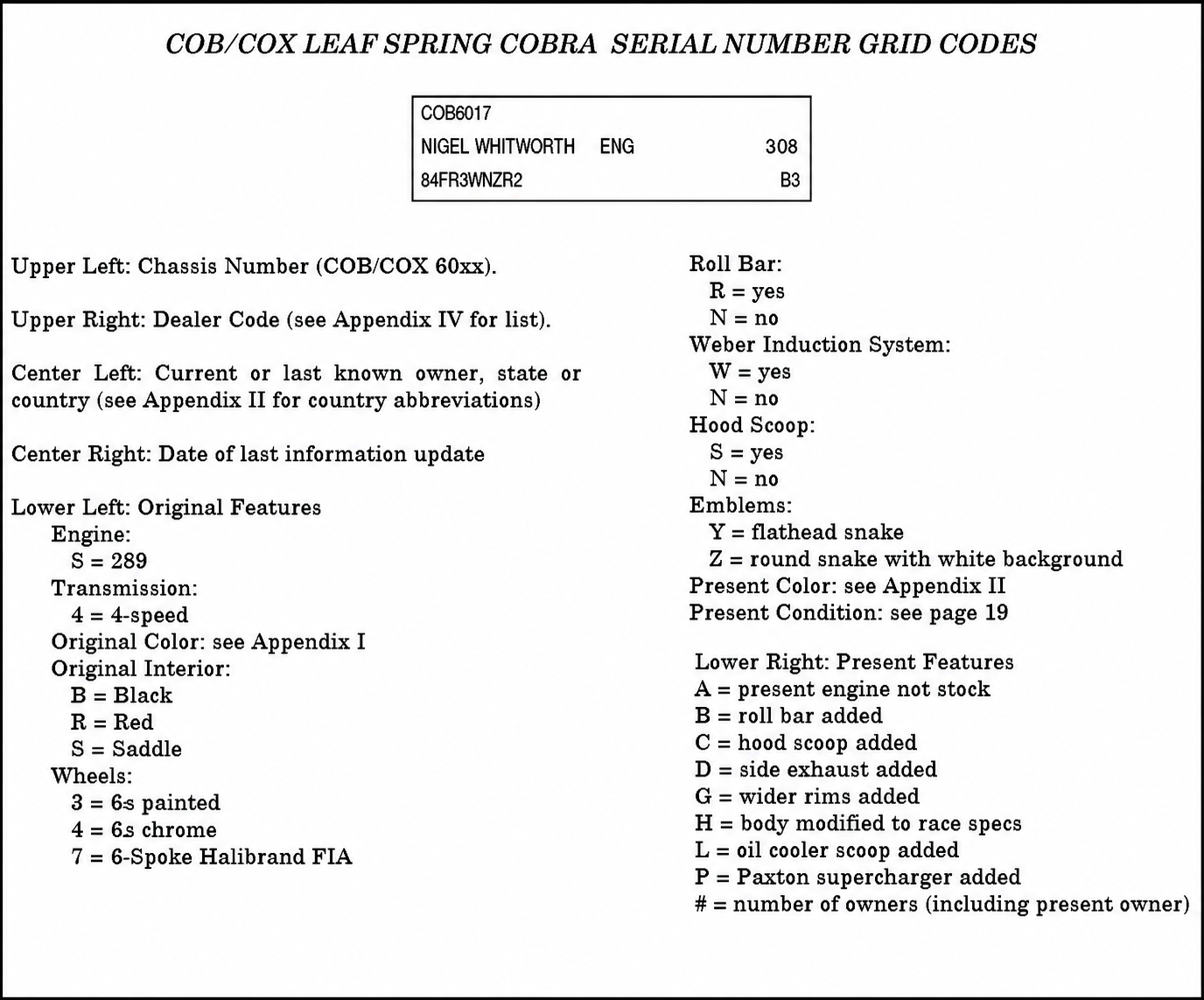
The serial numbers were COB (“CObra Britain”) for the right-hand drive cars sold in the United Kingdom (45 out of the entire production of 62) and COX (“CObra eXport”) for left-hand drive cars sold throughout the rest of Europe (the remaining 17 cars). The four-digit production numbers all began with a “6” (6001 through 6062).
AC COBRA 289
Almost as soon as Cobra production began, AC Cars saw a market for the cars in the United Kingdom and Europe. Shelby had his hands full keeping up with the demand in the U.S. and the European market seemed like a modest one. He was happy to let AC Cars assume the responsibility of supplying cars there. A contract was signed allowing AC Cars to produce and market a Cobra model of their own.
Shelby was calling his cars “Shelby Cobras” so it was only natural that AC call their model the “AC Cobra 289.” The trunk badge was “AC” while the nose badge was the round “Cobra” emblem. The cars also did not carry “Powered by FORD” fender badges.
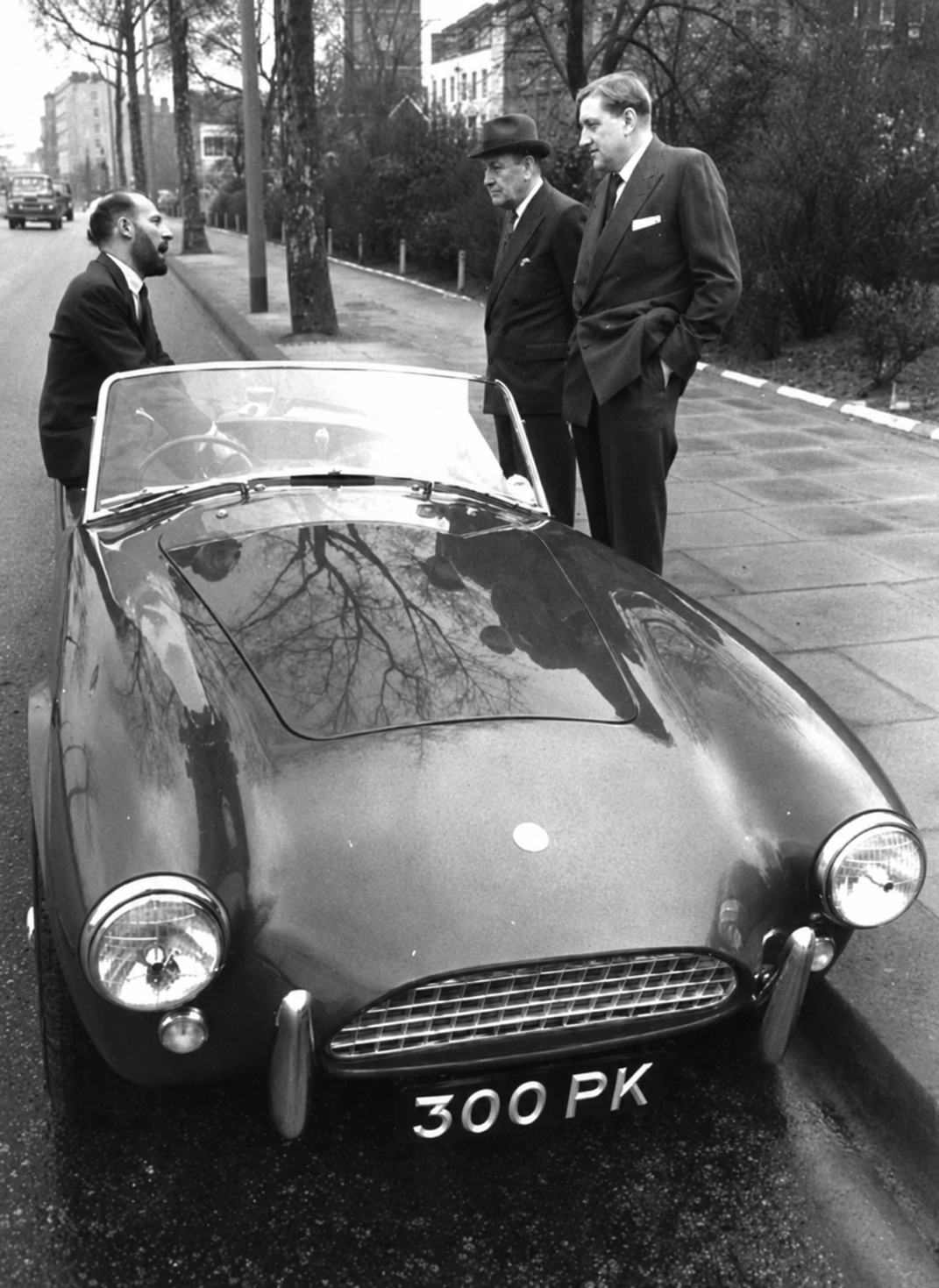
There seem to be more exceptions than rules with Cobras. CS2030 is not a COB Cobra, but it was originally built to RHD specs by AC Cars and painted maroon. It never left the U.K. so the “X” was never included in the serial number. It was described in AC production records as “AC Test Car” and initially used as a factory demonstrator. Stirling Moss [left] is pictured with AC Cars Director Charles Hurlock [center] and his son, AC Cars President Derek Hurlock, circa 1963 in London.
A handful of prototype 427 Cobras were built at the end of 1964 and production of 427 Cobra competition cars began in earnest in early 1965. The FIA required 100 cars to be completed before April if the cars were to receive homologation. That number was not able to be met by the deadline, so FIA certification of the 427 Cobra was withheld. Production of 427 competition cars was stopped at that point and word was sent to AC Cars to immediately begin producing street cars. Production of 289 Cobras for export to the U.S. had halted when 427 Cobra production began. The parts left over in AC Cars’ inventory were used to build the last handful of leaf spring COB and COX Cobras. These chassis were fit into the assembly line whenever possible. When the last one was built—COX6062, in July of 1965—whatever parts remained were stockpiled to be sold as spares. AC Cars was still filling orders for parts from this supply through the mid 1970s. At last report, four of these cars have found their way into the hands of owners in the U.S.